


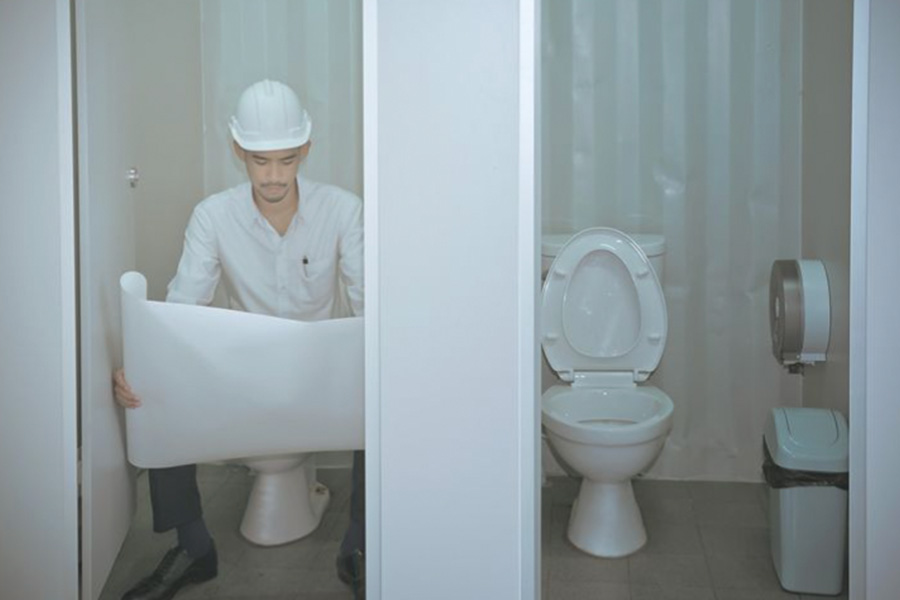
Public and commercial toilets are becoming a hotbed topic in sustainability conversations, thanks to their significant water consumption, need for cleaning chemicals, demanding manpower hours, and maintenance budgets. In dense urban environments, inefficiencies compound quickly, and for many IoT companies in Singapore, toilets have become a practical entry point for deploying measurable, high-impact digital solutions. The toilet management system is no longer a simple maintenance aid. It has evolved into a data-driven operational tool that reshapes how facilities reduce waste, control costs, and improve hygiene standards without guesswork.
This shift reflects a broader trend. Smart infrastructure investments are moving away from abstract dashboards towards systems that affect daily operations. Toilets sit at the intersection of hygiene, compliance, and resource consumption, making them ideal for Internet of Things deployment with clear returns.
Why Toilets Became a High-Impact IoT Use Case
Toilets generate constant operational signals, from flushes and refills to soap use and door activity, yet these indicators traditionally remained invisible until complaints surfaced.
A modern toilet management system flips that reality by capturing real-time usage, flow rates, supply levels, and fault alerts, allowing teams to act on live conditions rather than assumptions, immediately cutting over-cleaning, premature refills, and unnoticed leaks.
For IoT companies in Singapore, the value is immediate: dense environments, heavy foot traffic, and strict hygiene expectations make smart restroom deployments fast to prove, scale, and replicate across malls, transport nodes, offices, and healthcare settings.
How Real-Time Monitoring Cuts Water and Supply Waste
Water wastage remains one of the highest hidden costs in restroom operations. A leaking valve can waste thousands of litres before detection. A toilet management system equipped with flow sensors flags abnormal patterns instantly. Maintenance teams act before losses escalate.
Consumables follow the same logic. Soap, paper, and sanitiser refills are monitored continuously. Instead of blanket refilling, staff replenish only when thresholds are reached. The approach prevents disposal of partially used supplies while avoiding empty dispensers that trigger complaints.
The outcome is operational balance. Facilities reduce waste without compromising user experience. For organisations under sustainability reporting frameworks, this data also supports measurable environmental metrics rather than estimated reductions.
Smarter Cleaning Schedules Without Guesswork
Cleaning routines often follow fixed intervals that overlook real footfall, leaving low-use toilets over-serviced while busy areas struggle to keep up. A toilet management system replaces rigid schedules with demand-based cleaning.
By tracking usage density and dwell time, sensors trigger cleaning alerts only when activity crosses set thresholds, directing teams to the areas that actually need attention. It cuts chemical waste, limits excess water use, and trims avoidable labour hours without sacrificing hygiene standards.
For IoT companies in Singapore, this shift supports labour optimisation in a tight workforce environment. Cleaning teams operate with clarity rather than routine, staying responsive to real conditions while maintaining productivity and morale.
Data Visibility That Supports Compliance and Audits
Facilities increasingly face scrutiny from regulators, tenants, and the public. Hygiene incidents damage trust quickly. A toilet management system provides time-stamped logs of cleaning actions, fault resolutions, and usage trends.
This visibility simplifies audits. Instead of manual records, managers present data-backed reports showing response times and maintenance frequency. When issues arise, root causes are easier to trace. Compliance moves from reactive defence to proactive assurance.
The data also informs long-term planning. Usage trends guide infrastructure upgrades, fixture replacements, and layout changes. Waste reduction becomes a continuous process supported by evidence rather than one-off initiatives.
Integration With Broader Smart Building Systems
Modern IoT deployments rarely operate in isolation. Toilet management systems increasingly integrate with building management platforms, energy monitoring tools, and occupancy analytics, creating wider efficiencies.
For example, restroom usage patterns inform overall footfall analysis. Water consumption links to sustainability dashboards. Fault alerts feed directly into maintenance workflows. The toilet becomes part of a connected ecosystem rather than a standalone facility.
The integrated approach explains why IoT companies in Singapore continue refining restroom-focused solutions. The value extends beyond waste reduction. It strengthens digital infrastructure across all properties.
Operational Payoff Beyond Sustainability
Waste reduction remains the headline benefit, yet cost control often drives adoption. Reduced water bills, lower consumable spend, fewer emergency repairs, and optimised labour hours deliver measurable savings.
Equally important is reputation. Clean, well-managed toilets influence public perception more than many branding efforts. Data-driven maintenance ensures consistency even during peak periods.
A toilet management system, when deployed correctly, balances sustainability goals with financial discipline. It proves that smart infrastructure does not require complex transformations. Sometimes, the most effective changes start with overlooked spaces.
Final Thoughts
Toilets may seem mundane, yet they offer one of the clearest demonstrations of how IoT delivers practical value. By turning usage patterns into actionable insight, organisations reduce waste, improve hygiene, and operate with confidence rather than assumption.
If you are exploring how real-time data can reshape facility operations, contact Overdrive IoT to discuss end-to-end IoT solutions designed for measurable impact, operational clarity, and smarter resource use.