


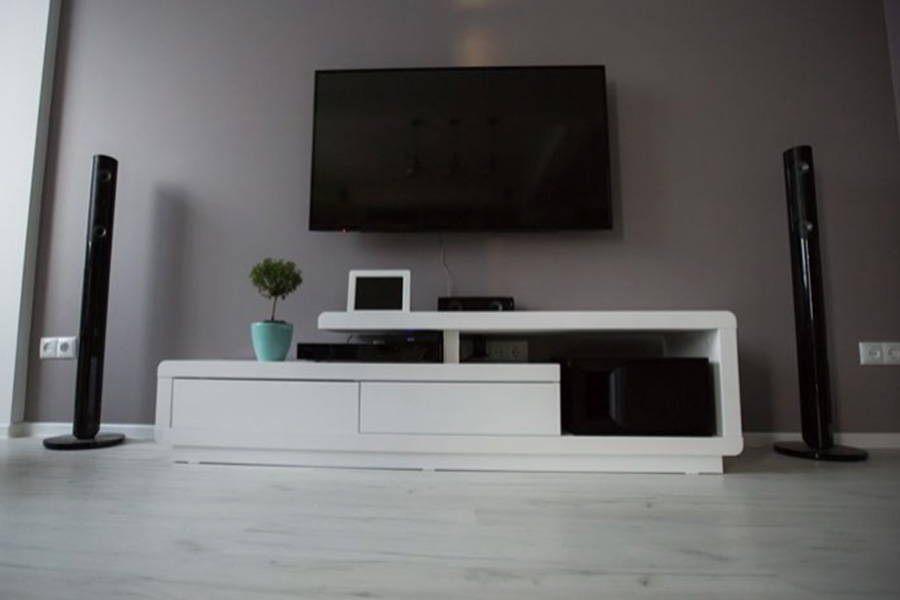
Watching television at home has shifted from scheduled programmes to on-demand habits. Living rooms now juggle films, sports, games, and background playlists across the same screen. Visual quality tends to grab attention first, yet sound plays an equal role in keeping viewing comfortable and engaging. Bringing both elements into balance helps everyday entertainment feel settled, consistent, and easier to enjoy.
Picture Meets Presence
Crisp visuals, smooth menus, and instant access to streaming platforms define everyday viewing on a modern smart TV. Where many screens fall short is sound. Slim panels leave little physical space for speakers that can project clear dialogue or create room-filling audio. Viewers usually notice this during films and live shows, when voices soften and background noise gains ground.
That gap closes when a soundbar enters the setup, handling audio tasks in a clear and practical way. External speakers sit at ear level and face the room directly. Dialogue sounds clearer, music feels fuller, and audio stays organised rather than scattered. Picture and sound support each other, creating a viewing experience that feels complete instead of lopsided.
Sound That Matches the Screen
Modern televisions focus on thin frames and flexible placement. Speaker placement becomes a compromise, not a priority. Visual performance stays consistent on a smart TV, while audio relies on small drivers aimed downwards or backwards. No amount of menu tweaking bypasses basic physics.
Following a simpler audio path, a dedicated soundbar focuses attention where ears naturally rest. Forward-facing speakers send sound straight across the room. Many models separate speech from background noise using built-in audio processing, helping voices remain clear at moderate volume. This is pretty useful for news, drama, and sports, where spoken detail matters.
Simple Connections Without Fuss
Home setups benefit from fewer cables and easier control. HDMI ARC and eARC allow sound to travel through one cable while syncing volume and power between devices. Serving as the central hub, a smart TV manages inputs and playback through a single remote.
Wireless connections also feature in daily use. Bluetooth and Wi-Fi support quick pairing, though wired connections stay more reliable for long sessions. Linked through HDMI, a soundbar offers consistent signal flow and avoids lag during live broadcasts or fast-moving scenes.
Everyday Listening That Feels Balanced
Clear audio shapes daily routines. Evening films remain relaxed when dialogue stays defined. Morning programmes sound even rather than sharp. Music spreads comfortably across the room instead of clustering near the screen. A soundbar stretches audio horizontally, aligning sound with picture width for natural balance.
Different content types bring different needs. Sports commentary, streaming series, and background playlists all benefit from subtle sound adjustments. Preset listening modes offer quick changes without complexity, fitting around real viewing habits.
Design That Respects the Room
Large speaker systems demand space, cable routing, and ongoing attention. A smart TV paired with a slim audio unit keeps layouts tidy. Wall mounting stays straightforward, cabinets remain clear, and cables avoid becoming a feature.
Placement suits various interiors, whether mounted under the screen or resting on furniture. Power use remains modest, heat output stays low, and upkeep rarely extends beyond light cleaning. The setup supports the room instead of dominating it.
Timing That Keeps Viewing Smooth
Sound delay breaks immersion. Modern processing focuses on aligning voice and motion accurately. HDMI eARC supports higher audio bandwidth, allowing advanced sound formats to pass through without delay. Live sports and action scenes benefit most, where timing keeps everything feeling natural.
Ongoing refinements in audio standards focus on stability and consistency. These changes aim to keep sound dependable across broadcasts, apps, and devices rather than chasing flashy claims.
A Practical Choice for Home Viewing
Matching screen and audio creates a setup that works quietly in the background. Fewer adjustments, fewer interruptions, and a more settled viewing experience follow naturally. Entertainment feels organised instead of improvised. Contact Harvey Norman Singapore to explore options that combine reliable displays with well-matched audio solutions, keeping picture and sound comfortably aligned at home.