


Key Takeaways
- Robot security guards in Singapore are used within buildings to handle routine patrols, monitoring, and visibility rather than replacing human decision-making.
- Autonomous mobile robots move through predefined indoor routes, using sensors and mapping to navigate safely without disrupting daily building activity.
- Smart building security systems integrate robot patrols with cameras, access control, and alerts to improve coverage and consistency inside facilities.
Introduction
Security inside modern buildings has changed as offices, malls, and commercial spaces become more connected. Many facilities managers now encounter the option of using a robot security guard in Singapore as part of their building operations. These robots are not designed to act like human guards, but to support security routines inside controlled environments. Understanding how they function within a building helps decision-makers assess whether they fit daily operations rather than viewing them as futuristic replacements.
1. What a Robot Security Guard Actually Does Indoors
Inside a building, a robot security guard focuses on visibility and routine coverage. It patrols corridors, lobbies, car parks, and shared spaces where predictable movement is possible. The presence of a robot creates a visible reminder that security is active, which can discourage unauthorised behaviour. Its role is observational and supportive, not confrontational.
2. How Autonomous Mobile Robots Move Through Buildings
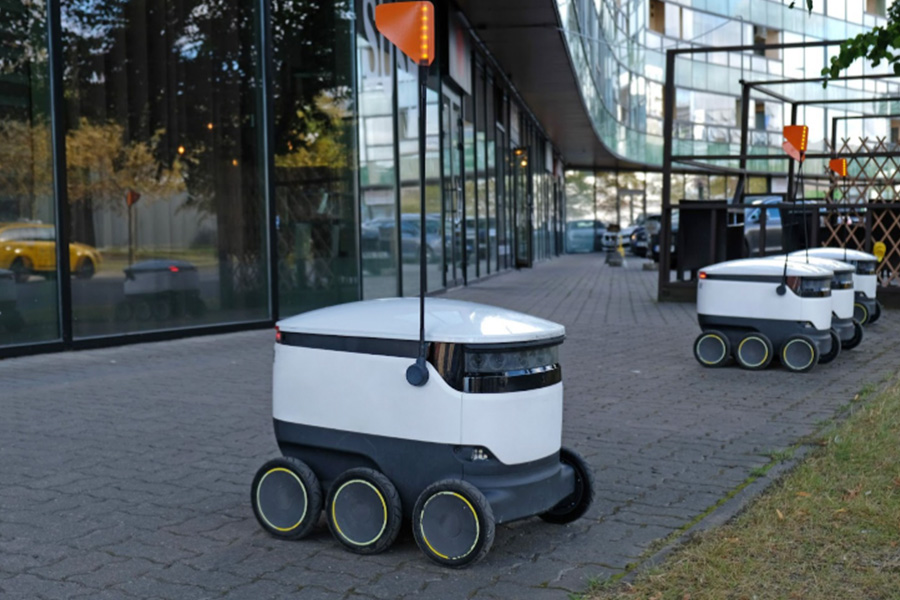
Autonomous mobile robot solutions rely on sensors, cameras, and mapping to move safely indoors. These robots follow planned routes that match the building layout. They slow down near people, avoid obstacles, and stop when needed. This controlled movement allows them to operate during business hours without interrupting normal activity.
3. Patrolling Without Disrupting Daily Operations
One reason robot security guards suit indoor environments is predictability. Buildings follow routines such as office hours, cleaning schedules, and access control windows. Robots are programmed to match these rhythms. They patrol quietly, record observations, and repeat routes consistently, which supports security without drawing unnecessary attention.
4. How Robots Fit Into Smart Building Security Systems
Smart building security systems with AI connect different tools under one operational view. A robot security guard becomes one part of this environment. It works alongside cameras, entry systems, and alarms. When the robot detects something unusual, it flags the situation so building teams can respond appropriately.
5. Supporting Human Security Teams, Not Replacing Them
Within buildings, robot security guards assist human teams rather than replacing them. They handle repetitive patrols so staff can focus on supervision, response, and coordination. Facilities managers often see robots as a way to maintain consistent coverage, especially in large properties with long corridors or multiple floors.
6. Monitoring Shared and Transitional Spaces
Indoor security challenges often appear in transitional areas such as entrances, lift lobbies, and car parks. These spaces experience frequent movement but limited supervision. Robot security guards are commonly assigned to these zones because their steady patrols help identify irregular patterns over time without requiring constant human presence.
7. Using Data to Improve Building Security Routines
As robots patrol, they collect visual and movement data. This information helps facilities teams understand which areas see the most activity or require better lighting or access control. Over time, these insights improve how the building’s security system is set up and adjusted.
8. Limitations of Robot Security Inside Buildings
Robot security guards are designed for structured environments. They work best indoors where layouts are stable and predictable. They do not handle judgment calls, emergencies, or direct enforcement. Recognising these limits helps facilities managers deploy them realistically and avoid mismatched expectations.
9. Why Smart Buildings Benefit Most From Robot Patrols
Buildings already using digital access systems and monitoring tools integrate robots more easily. A smart building security system with AI can absorb robot inputs smoothly, allowing alerts and reports to fit existing workflows. This integration makes robots feel like part of daily operations rather than an add-on.
Conclusion
Robot security guards in Singapore function best when used as part of a smart building environment. They support routine patrols, improve visibility, and provide consistent monitoring inside facilities. When paired with autonomous mobile robot solutions and integrated into smart building security systems, they help maintain order without disrupting daily activity. Their value lies in reliability and structure, not in replacing human judgment.
Contact KABAM Robotics to explore how a robot security guard can integrate into your smart building and support daily indoor security operations.